
The truck with a website
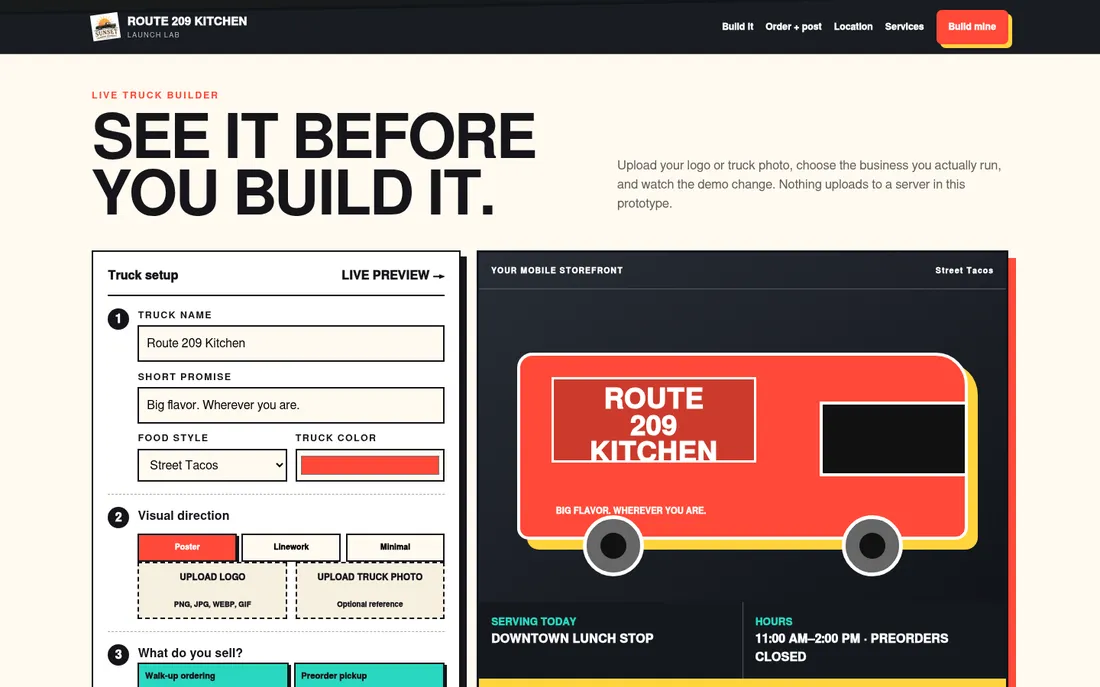
The brochure, done right: it looks like yours on day one and goes live fast, built from a theme.
- Menu and prices
- Today’s stop, hours and a way to call
- Catering and event requests
- Photos and a link people can share
The theme sets the look. The platform makes it work. The event fills the room. By the time you reach media it is a working prototype — real screens, real menus, real orders — ready for us to ship. Same business, built to the depth it needs: a website, a website with the technology built in, or the whole place running digital.
The five pills are the pitch order, not a rule — start wherever the business actually is.
Pick the rung that fits. Every rung is a working prototype you can click through before anything ships, and each one is built on the one below it, so you can always climb.

The brochure, done right: it looks like yours on day one and goes live fast, built from a theme.

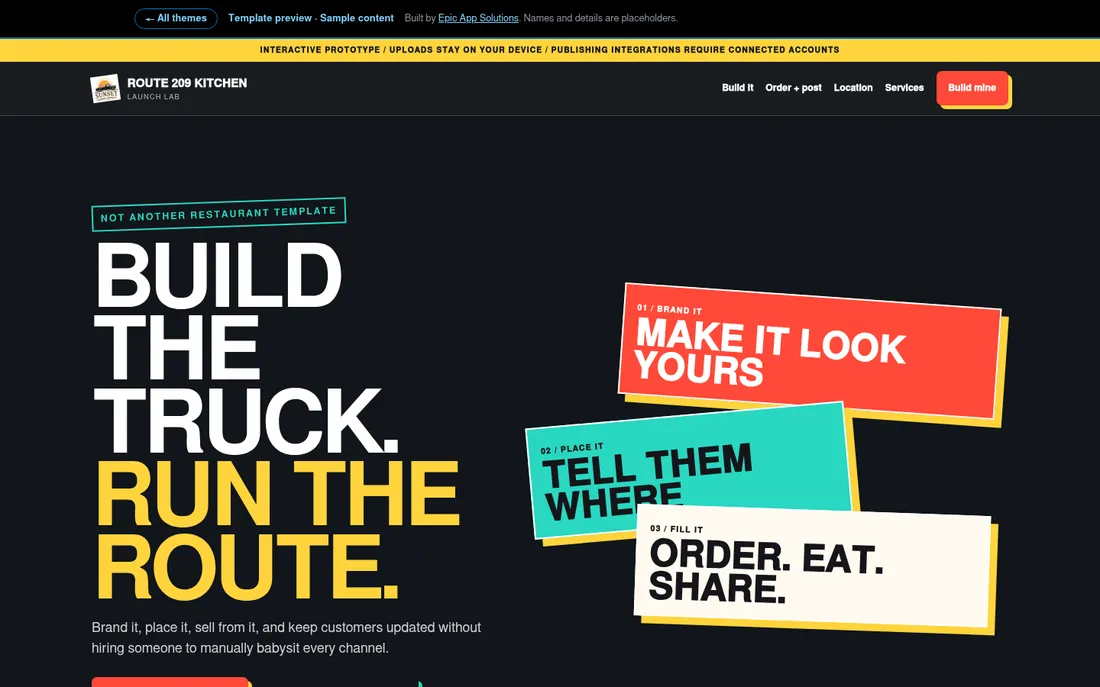
The site stops being a brochure and starts running the route: customers build, order and share, and you approve what goes out.

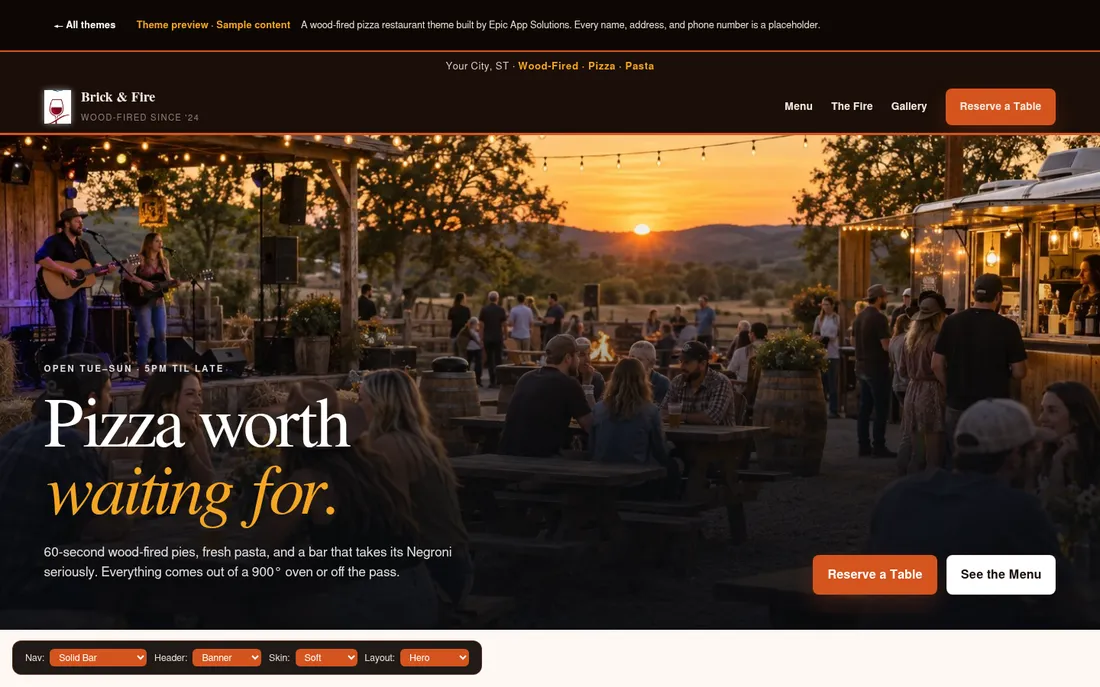
One clean site that sells the room: the menu, the story, the hours and a way to reserve.

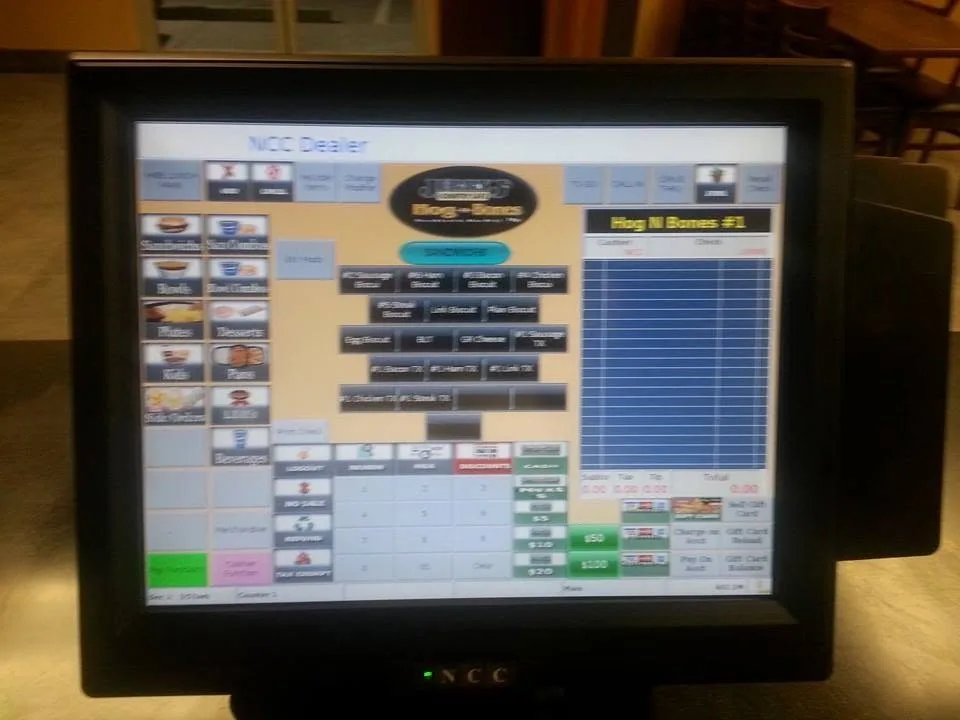
The website was the front door. Behind it: the order screens, the menus and the drive-through, all digital, all built and maintained by us.
A tablet on the counter, a TV in the waiting room, a touch panel at the register, a wall of panels the size of a billboard — same system underneath, scaled to the job. We build the sign, the player, and the ad slots. Size is no problem — it just depends how big the checkbook is.
An insurance agency puts a display in the office. Between its own slides it runs ads for the shops next door — at about $20 a month a slot, a handful of neighbors turns a wall into a couple hundred bucks a month. The screen was going to hang there anyway.
The doctor’s office advertising inside every restaurant in town. About $20 a month per location puts your name in front of people who already live nearby — cheaper than a billboard, closer than a mailer, and the host thanks you for it.
The real play is the network: a town’s shops advertising in each other’s stores — the diner pushes the vet, the vet pushes the boutique, the boutique pushes the diner. We run the rotation and the who-owes-who, so community stays the business model.
A countertop tablet is an afternoon. A billboard is a bigger checkbook, not a different system.
The hardware itself stays yours — we spec the screen and hand you the link; you buy it at the vendor’s price, in your name. We’re service, not retail — no markup, ever. It breaks under warranty? You deal with them; we come back and install the next one. The policy, in writing →
Start with the website, or start with the whole place running digital. We build it to a working prototype, you click through it, and when it is right we ship it.