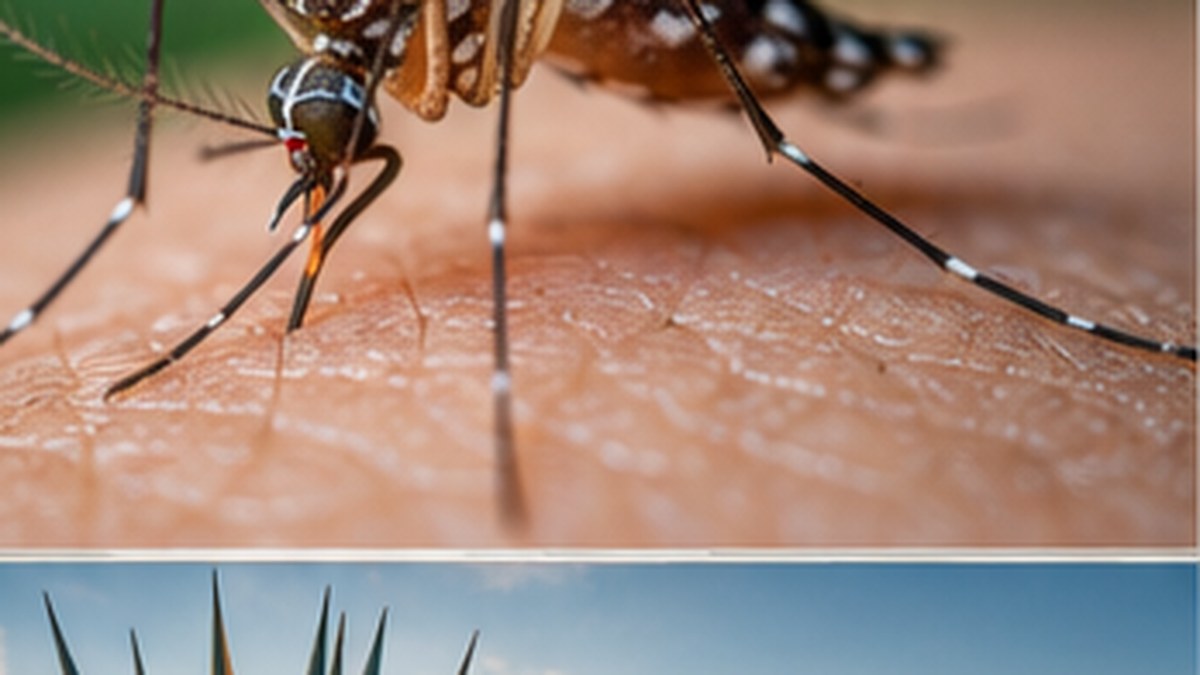
THE LITTLE BUGS ARE BACK ON THE BOARD.
Stanislaus County has confirmed human West Nile virus activity during a year when California is seeing elevated transmission. The useful response is not panic. It is mosquito control.
Mosquitoes are easy to ignore right up until public health starts counting cases.
Stanislaus County Public Health has confirmed human West Nile virus activity for the 2026 season. County officials say the virus is primarily transmitted through infected mosquito bites and note that California's activity is running at a five-year high.
Statewide West Nile tracking showed 65 human cases across 16 counties as of August 28, along with thousands of positive mosquito samples and hundreds of dead birds reported for testing.
August and September are the months to pay attention
County health officials say human cases typically peak during August and September. That makes late summer less about dramatic headlines and more about boring habits that actually work.
Dump standing water. Check buckets, planters, pet containers and neglected corners of the yard. Repair damaged screens. Use appropriate repellent when mosquitoes are active.
The people doing the invisible work
Local mosquito abatement districts spend the season trapping mosquitoes, testing pools, treating breeding areas and tracking where virus activity is appearing. Most residents never see that work unless the numbers start moving.
That is probably the best sign the system is working. Public-health infrastructure is often most successful when nothing dramatic happens.
When to call a doctor
Most people infected with West Nile virus do not develop serious illness, but some infections can cause significant neurological disease. Anyone with concerning symptoms should use normal medical channels rather than trying to diagnose an infection from a social-media post.
The county's advice is straightforward: reduce mosquito exposure and keep your property from becoming somebody else's mosquito factory.